BOOK A FREE DISCOVERY CALL WITH ME.
When every conversation seems to turn into an argument, it is easy to believe the relationship itself is broken. You may be exhausted by repeating yourself, walking on eggshells, being shut out, or feeling that your partner hears your words but never truly understands your heart. Communication coaching for couples creates a calmer, more structured way to address these patterns before resentment becomes the loudest voice in the room.
This is not about finding the perfect script or deciding who is right. It is about learning how to speak honestly without attacking, listen without becoming defensive, and repair the disconnect that has grown between you. For many women, especially after the strain of a long relationship, separation or divorce, clear communication is also a powerful way to regain your voice and your emotional steadiness.
What communication coaching for couples can change
Most couples do not struggle because they do not care. They struggle because stress, disappointment, old hurts and unmet needs shape the way they speak to one another. A simple question can sound like criticism. Silence can feel like rejection. A disagreement about money, parenting or household responsibilities can quickly become a painful argument about appreciation, loyalty or love.
Coaching helps you slow that cycle down. Rather than reacting from frustration, fear or hurt, you learn to recognise what is happening beneath the surface. You begin to communicate the real message: “I need reassurance”, “I feel alone in this”, or “I need us to make this decision together.” That honesty gives your partner something clear to respond to.
The aim is not constant agreement. Healthy couples can disagree and still feel respected. The real shift is learning to handle difficult moments without insults, withdrawal, blame or emotional scorekeeping.
You stop having the same argument in different forms
Recurring conflict often has a pattern. One person pushes for a discussion, while the other shuts down. One becomes critical because she feels unheard, while the other becomes defensive because he feels he can never get it right. Both people leave the conversation feeling misunderstood.
Through coaching, you can identify the pattern as the problem, rather than treating each other as the problem. This small distinction can change the emotional temperature of a relationship. It creates space for responsibility, compassion and a more useful conversation.
You learn boundaries that protect connection
A boundary is not a punishment, threat or demand for control. It is a clear statement of what you need in order to participate in a relationship with dignity. You might say, “I want to discuss this, but I will not continue while we are shouting,” or “I need time to think before I answer.”
When boundaries are communicated calmly and upheld consistently, they can reduce chaos and build trust. They also help you stop abandoning your own needs just to keep the peace.
What happens in couples communication coaching?
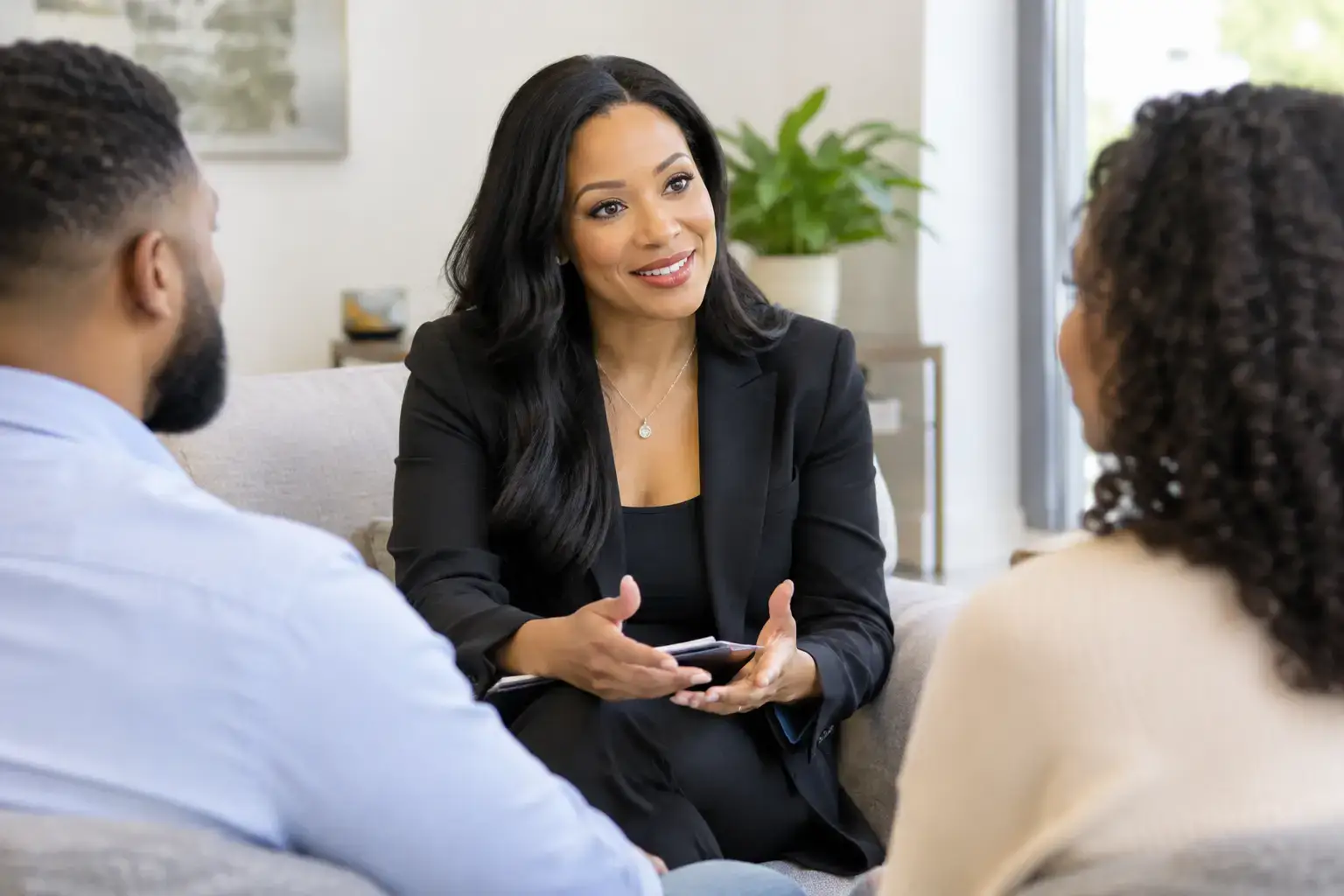
Coaching is practical, forward-focused and centred on what you want to create next. In an online Zoom session, you and your partner can explore the situations that trigger conflict, the language that escalates it and the needs that are currently going unspoken.
You may practise how to start difficult conversations without accusation, how to express a complaint without criticism and how to listen without immediately preparing a defence. You can also work on repair, because every relationship experiences moments of misunderstanding. What matters is whether you know how to come back together afterwards.
For example, instead of saying, “You never help and you do not care about this family,” you may learn to say, “I am overwhelmed and I need us to agree how we will share this responsibility.” The second statement is not weak. It is clear, specific and far more likely to lead to change.
Coaching can also address the practical conversations couples often avoid until they become explosive: parenting expectations, intimacy, finances, time together, family boundaries and future plans. Avoidance may feel safer in the short term, but it usually allows resentment to grow. A guided conversation makes it easier to approach these topics with maturity and care.
Is couples coaching right for you?
Communication coaching for couples can be valuable when both people are willing to look at their contribution to the dynamic. You do not have to be in a crisis to benefit. Some couples seek support because they want to reconnect after a demanding season of life. Others come because trust has weakened, arguments have become frequent or they are considering whether the relationship can move forward.
It works best when both partners are prepared to be honest, respectful and open to practising new habits between sessions. Change does not come from one emotional conversation alone. It comes from repeated choices: pausing before reacting, asking instead of assuming, apologising without excuses and following through on agreements.
There are also times when coaching together may not be the right first step. If you are experiencing intimidation, coercive control, threats, violence or fear for your safety, your immediate wellbeing must come first. You deserve support that prioritises your protection and gives you space to make decisions without pressure.
If you are carrying the relationship alone
Many women arrive at this point feeling deeply tired. You may be the one reading the books, suggesting conversations, making peace after arguments and worrying about the future. You may wonder whether trying any more is simply another way of losing yourself.
Your feelings are valid. A relationship cannot be repaired by one person doing all the emotional labour. Yet individual coaching can still be profoundly helpful, whether your partner is ready to participate or not. It can help you clarify your standards, communicate with confidence, stop over-explaining and decide what you need in order to feel safe, valued and respected.
This is particularly important after a breakup or divorce. The communication skills you develop do not disappear when a relationship ends. They support co-parenting conversations, family relationships, dating after divorce and the most important relationship of all: the one you have with yourself.
Build a calmer way forward
You do not have to accept painful communication as normal. You can learn to speak with clarity, listen with greater confidence and choose responses that reflect the woman you are becoming. Whether you are hoping to strengthen your relationship, navigating a separation or rebuilding after heartbreak, you can take a steady step forward from here.
Dr Grace Anderson’s approach is compassionate, action-oriented and grounded in the belief that you can regain control of your emotional life. Her resources, including After the Storm and The Co-Parenting Communication Toolkit, offer practical encouragement for women seeking healing, confidence and healthier conversations.
Visit Dr Grace Anderson’s website to learn more about my services. Wishing you well, Dr Grace.